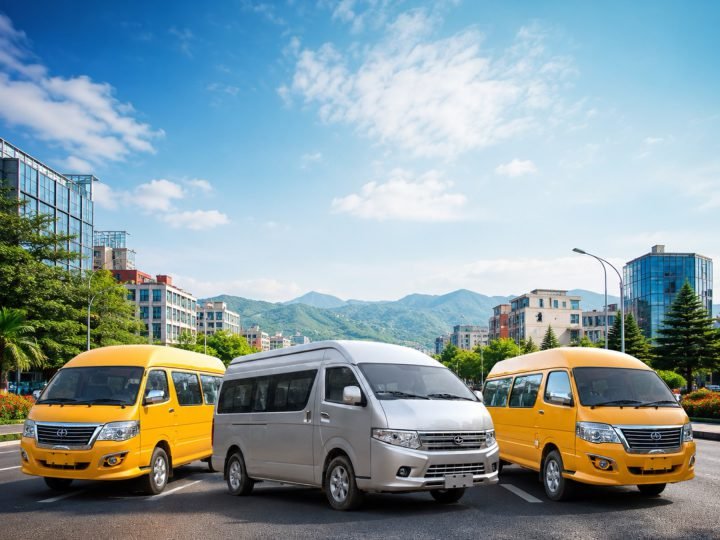
What the next generation of EVs means for transport in Nepal
Nepal's hydropower and its reliance on imported fuel make a strong case for electric transport. Here is what to consider.
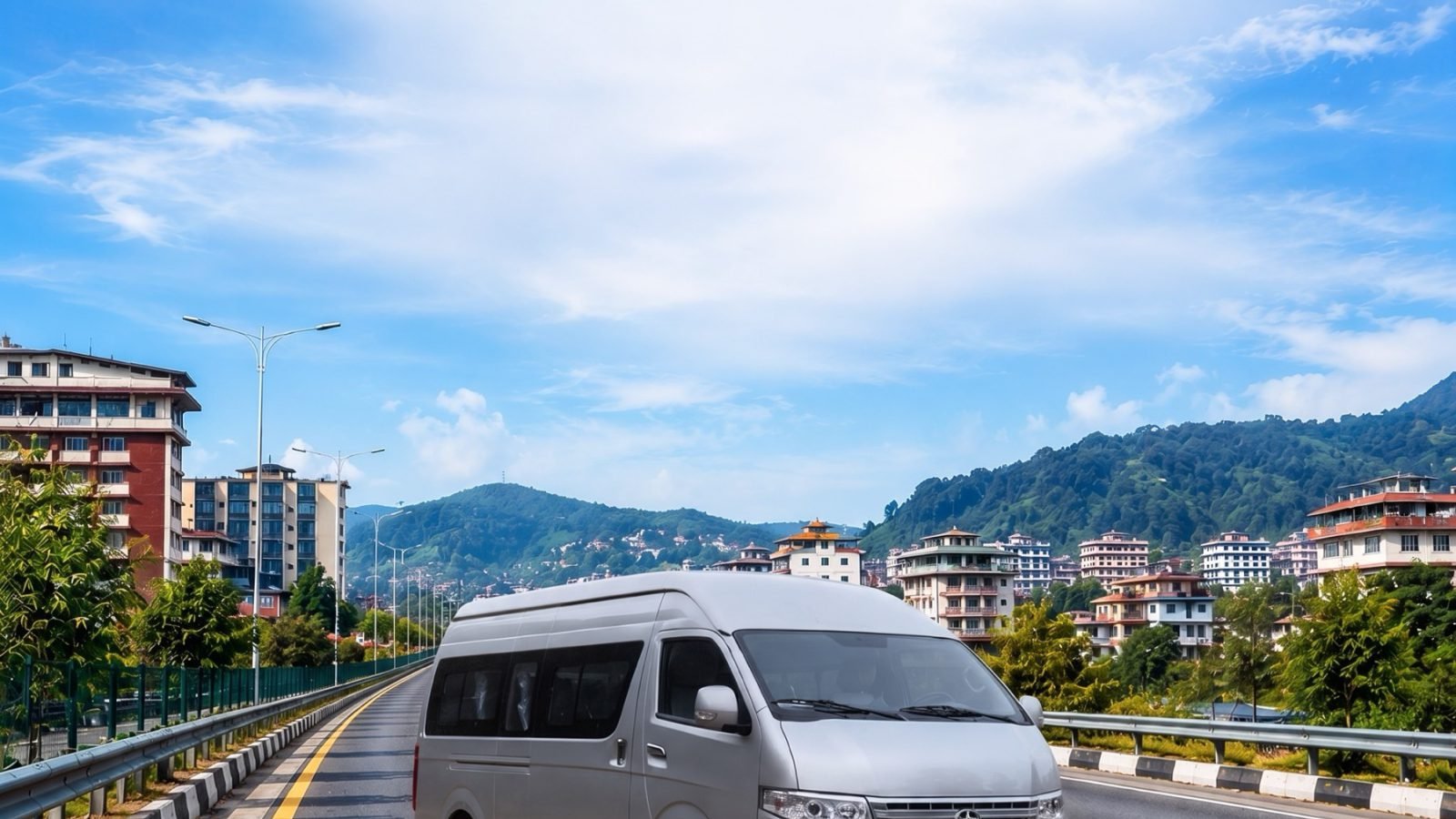
Electric vehicles are no longer a novelty on Nepal’s roads. For families, businesses and institutions, the question is shifting from whether to go electric to how and when.
Electricity made at home
Almost all of Nepal’s electricity comes from hydropower, while petrol and diesel are imported. Every vehicle that runs on electricity instead of fuel keeps more money in the country and cuts emissions in crowded cities.
Lower running costs
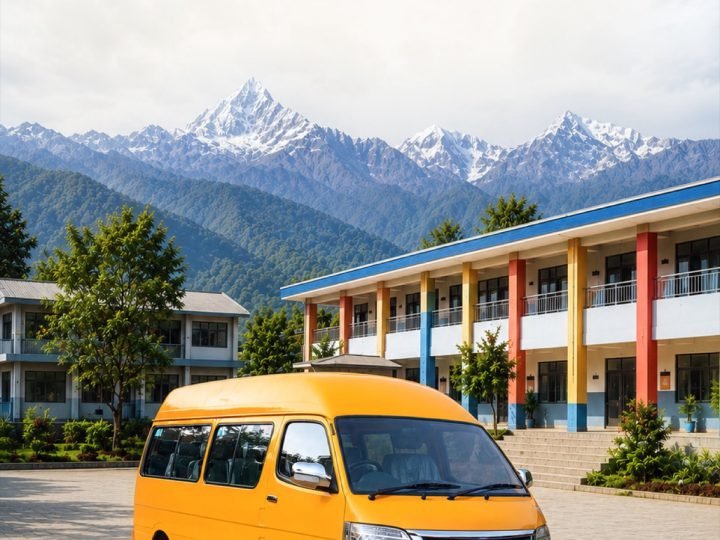
Electric vehicles have fewer moving parts than diesel or petrol vehicles, and charging generally costs less than fuel for the same distance. For fleets that run every day, such as school buses and staff transport, the savings add up quickly.
Built for hills
Nepal’s terrain is demanding. Electric motors deliver strong torque from a standstill, and regenerative braking recovers energy on descents. Choosing the right vehicle for the route still matters, which is why we look at gradients and distances before recommending a model.
What still needs attention
- Charging needs to be planned, especially for fleetsn- Batteries, motors and chargers need trained techniciansn- Genuine spare parts must be available locally
These are the gaps our mobility division was set up to close, with RZM Auto Nepal, through vehicle supply, charging installation and after-sales support.